

Outdoor spaces play a major role in the appearance and functionality of any property. From driveways and walkways to patios and pool decks, pavers add beauty, durability, and value to homes and commercial properties alike. However, exposure to sunlight, rain, foot traffic, and other environmental elements can gradually wear down these surfaces. This is where paver sealing becomes an essential part of long-term maintenance.
Paver sealing helps protect outdoor surfaces from damage while enhancing their appearance. Whether you have newly installed pavers or older surfaces that need restoration, sealing can significantly extend their lifespan and keep them looking their best for years to come.
What Is Paver Sealing?
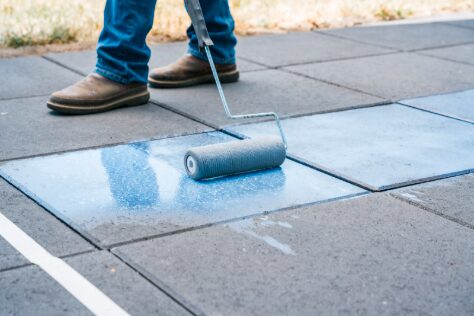
Paver sealing is the process of applying a protective sealant over the surface of concrete, brick, or natural stone pavers. The sealant creates a protective barrier that shields the pavers from moisture, stains, fading, and everyday wear.
The sealing process not only preserves the integrity of the pavers but also enhances their color and overall appearance. Depending on the type of sealant used, the finished surface may have a natural matte look or a rich, glossy finish.
Professional paver sealing services ensure proper preparation, application, and curing, resulting in long-lasting protection and a more attractive outdoor space.
Why Paver Sealing Is Important
Many property owners invest significant money in landscaping and hardscaping projects. Without proper protection, however, pavers can begin to deteriorate over time.
Sealing offers numerous benefits that help maintain both the beauty and durability of outdoor surfaces.
Protection Against Moisture
Water is one of the biggest threats to paver surfaces. Rain, irrigation systems, and standing water can seep into porous materials and cause damage over time.
In colder climates, trapped moisture may freeze and expand, leading to cracks and surface deterioration. A quality sealant helps repel water and minimizes the risk of moisture-related damage.
Prevents Color Fading
Continuous exposure to sunlight can cause pavers to lose their original color. UV rays gradually break down pigments, leaving surfaces looking dull and aged.
Paver sealing helps preserve the natural color of the material and protects it from fading caused by prolonged sun exposure.
Stain Resistance
Driveways, patios, and outdoor entertainment areas are often exposed to oil, grease, food spills, and other substances that can leave permanent stains.
A protective sealant creates a barrier that prevents contaminants from penetrating the surface, making cleanup easier and reducing the likelihood of long-term staining.
Weed and Moss Reduction
Weeds and moss commonly grow between paver joints, affecting both appearance and structural stability. Sealing helps stabilize joint sand and reduces the conditions that allow unwanted growth to develop.
Although sealing does not completely eliminate weeds, it significantly reduces their occurrence and makes maintenance easier.
Benefits of Professional Paver Sealing
While some homeowners attempt to seal pavers themselves, professional paver sealing services often deliver better and longer-lasting results.
Enhanced Appearance
One of the most noticeable benefits of paver sealing is the improvement in appearance. Sealants can enrich the natural colors of pavers and create a clean, polished look.
Whether you prefer a subtle natural finish or a high-gloss appearance, professional sealing can dramatically improve curb appeal.
Increased Durability
Outdoor surfaces endure constant exposure to weather, foot traffic, and vehicle use. Sealing helps strengthen the surface and protect it from daily wear and tear.
This added durability extends the life of the pavers and reduces the need for costly repairs or replacements.
Easier Maintenance
Sealed pavers are much easier to clean than unsealed surfaces. Dirt, debris, and spills remain on the surface instead of soaking into the material.
Routine maintenance often requires little more than sweeping and occasional washing, helping property owners save time and effort.
Long-Term Cost Savings
Although paver sealing requires an initial investment, it can save money over time by preventing damage and extending the lifespan of the surface.
Protecting pavers from deterioration reduces the need for extensive repairs, replacement pavers, and ongoing maintenance costs.
Areas That Benefit From Paver Sealing
Paver sealing is suitable for a wide range of outdoor surfaces, including:
- Driveways
- Walkways
- Patios
- Pool decks
- Courtyards
- Garden pathways
- Outdoor kitchens
- Commercial entryways
Any area exposed to weather and regular use can benefit from the protection and enhancement that sealing provides.
The Paver Sealing Process
Professional paver sealing involves several important steps to ensure maximum effectiveness and durability.
Thorough Cleaning
The process begins with a deep cleaning of the paver surface. Dirt, stains, mold, mildew, algae, and debris must be removed before applying the sealant.
Pressure washing is commonly used to restore the surface and prepare it for sealing.
Joint Sand Restoration
After cleaning, technicians often replenish the sand between paver joints. This step helps stabilize the pavers and prevent shifting over time.
Polymeric sand is frequently used because it hardens when activated and provides additional protection against weed growth.
Sealant Application
Once the surface is completely dry, the sealant is applied evenly across the pavers. Professional-grade equipment ensures consistent coverage and optimal results.
The type of sealant used may vary depending on the paver material and desired finish.
Curing and Protection
After application, the sealant requires time to cure properly. During this period, the surface should remain free from foot traffic, vehicles, and moisture.
Proper curing ensures maximum durability and performance.
How Often Should Pavers Be Sealed?
The frequency of paver sealing depends on several factors, including climate, traffic levels, and the type of sealant used.
In general, most paver surfaces benefit from resealing every three to five years. High-traffic areas or regions with extreme weather conditions may require more frequent maintenance.
Regular inspections can help determine when resealing is necessary to maintain optimal protection.
Conclusion
Paver sealing is one of the most effective ways to protect and enhance outdoor surfaces. From preventing moisture damage and fading to reducing stains and simplifying maintenance, sealing offers valuable long-term benefits for homeowners and businesses alike.
Whether you want to preserve a newly installed patio or restore an aging driveway, professional paver sealing can help maintain beauty, durability, and functionality for years to come. By investing in regular sealing and maintenance, property owners can enjoy attractive, well-protected outdoor spaces that continue to add value and curb appeal to their property.