

Introduction
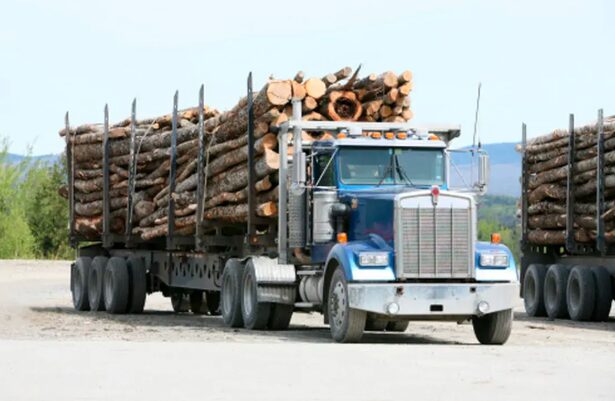
Efficient timber movement is essential for maintaining productive operations. Log trailers help simplify transportation tasks while supporting safer handling practices. Their specialized design makes them well suited for carrying logs across varying distances and terrain conditions.
Understanding the Benefits of Log Trailers
Increased Productivity
Log trailers allow operators to move larger quantities of timber in a more organized manner.
Reduced Manual Handling
Because logs trailers are designed for timber transport, they help minimize unnecessary lifting and repositioning.
Greater Operational Flexibility
Many log trailers can adapt to different work environments, making them useful across a range of applications.
Factors to Consider Before Selecting Log Trailers
Capacity Requirements
Different log trailers are designed to handle different load sizes. Matching capacity to workload is essential.
Terrain Conditions
The environment where log trailers will operate should influence the selection process.
Maintenance Needs
Regular inspections and preventive maintenance help ensure long-term reliability.
Best Practices for Using Log Trailers
- Distribute loads evenly.
- Inspect equipment before operation.
- Follow safe loading procedures.
- Avoid exceeding recommended limits.
- Maintain clear transportation routes.
These practices help maximize the effectiveness of log trailers while supporting safe operation.
Conclusion
Log trailers remain a valuable solution for efficient timber transport. Their ability to improve productivity, reduce manual labor, and support organized operations makes log trailers an important part of modern wood-handling activities. With careful selection and proper maintenance, log trailers can deliver dependable performance and long-term value.