

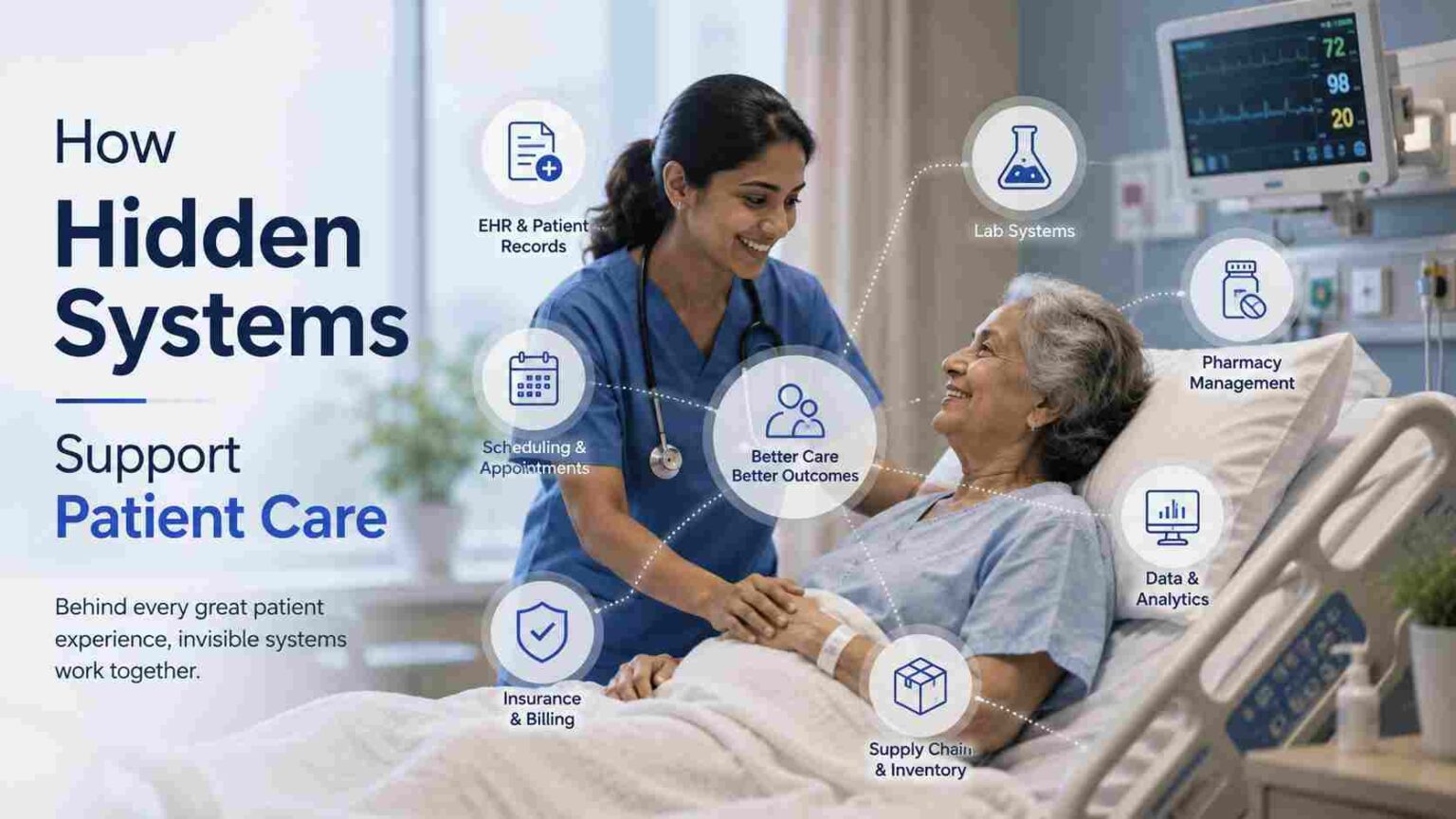
When we picture a modern hospital, our minds naturally gravitate toward the visible symbols of healthcare: dedicated physicians delivering complex diagnoses, nurses monitoring vital signs at a patient’s bedside, and state-of-the-art diagnostic imaging machines humming in quiet rooms. These professionals and technologies represent the frontline of medicine. Yet, directly behind the walls, underneath the floors, and inside restricted utility basements lies a massive, complex network of engineering systems that quietly makes clinical care possible.
A medical facility is fundamentally different from a standard commercial office building. It is a highly specialized, self-contained machine that must operate with absolute, flawless continuity twenty-four hours a day, 365 days a year. If a standard building experiences a power flicker or a ventilation failure, it is an inconvenience; in a hospital environment, even a microsecond of disruption to critical infrastructure can carry life-or-death consequences. Understanding the hidden engineering that stabilizes these facilities reveals the true scope of what it takes to protect vulnerable patient lives.
1. Advanced Environmental Air Filtration and Climate Control
The air circulating throughout a hospital is far more than a matter of thermal comfort for staff and patients; it is a critical, actively managed component of infection control. Standard commercial HVAC systems simply recirculate air to conserve energy. Hospital ventilation systems, conversely, are engineered to isolate and neutralize microscopic airborne pathogens.
Hidden high-efficiency particulate air (HEPA) filtration banks capture particles as small as 0.3 microns, removing bacteria, fungi, and viral droplets from the airflow. Furthermore, engineers utilize complex differential pressure zones to control air movement. Operating rooms and protective isolation suites utilize positive pressure to force air outward, preventing contaminated hallway air from entering sterile zones. Conversely, airborne infection isolation rooms use negative pressure to trap dangerous pathogens inside the room, protecting the rest of the facility from outbreaks.
2. Redundant Power Grids and Specialized Electrical Safety
Modern clinical medicine relies entirely on continuous electrical power. Ventilators, dialysis machines, and intraoperative monitors cannot shut down without immediate risk to patient safety. To guarantee continuity, hospitals feature multi-layered electrical redundancies, including automated backup diesel generators that can fire up and stabilize the entire facility’s critical load within ten seconds of a primary grid failure.
However, electrical infrastructure in medical environments requires much more than just keeping the lights on; it demands highly specialized safety parameters due to the unique vulnerability of surgical patients. In standard buildings, electrical systems are grounded to protect users from severe shocks. In a cardiac catheterization lab or an operating room, where patients may have direct internal pathways to the heart via catheters or pacemakers, even a microscopic leakage current could prove fatal.
To eliminate this hazard, critical care zones utilize ungrounded, isolated power systems. Because these systems are isolated from the earth ground, a single electrical fault will not cause a dangerous short circuit or trip a breaker mid-surgery. Monitoring the health of these sensitive networks requires continuous precision diagnostics. Hospitals rely on specialized technical contractors to provide routine line isolation monitor testing services, which actively audit the system’s impedance and warning alarms. These hidden calibration routines ensure that the isolated power infrastructure remains perfectly balanced, instantly alerting engineering staff to any hidden degradation before it can ever pose an electrical threat to a patient on the operating table.
3. Medical Gas Delivery Networks
Behind the headwalls of every patient bed and operating room is a complex network of copper plumbing that carries life-sustaining medical gases. Patients rarely consider where the oxygen flowing through their nasal cannula originates, but it is managed by a centralized, highly regulated bulk storage facility located on the hospital perimeter.
Liquid oxygen tanks, medical air compressors, and nitrous oxide manifolds feed a web of pressurized pipes hidden inside the facility’s structural framing. These systems utilize automated pressure sensors and zone valve boxes located throughout every corridor. If a pipe experiences a sudden drop in pressure, computerized monitoring systems instantly alert facilities engineers while local backup reserves deploy automatically. This ensures an uninterrupted supply of pure, respiratory-grade gases directly to the bedside without manual intervention.
4. Subterranean Logistics and Automated Material Transport
A hospital requires a massive influx of clean supplies and the rapid, sanitary removal of hazardous waste to function smoothly. To prevent these industrial logistics from disrupting clinical spaces, many modern facilities utilize hidden subterranean corridors or automated transport systems.
Pneumatic tube networks snake through miles of interstitial building space, utilizing pressurized air to propel medication cartridges, blood samples, and laboratory results between nursing stations and central pharmacies in a matter of seconds. Additionally, many facilities now deploy automated guided vehicles (AGVs) within restricted service elevators and basement tunnels. These robotic units transport heavy linens, dietary carts, and biohazardous materials completely out of sight of patients and visitors, maximizing operational efficiency while maintaining strict sanitary boundaries between clean and soiled workflows.
Conclusion
The delivery of exceptional healthcare is a collaborative triumph that extends far beyond clinical expertise alone. It relies on a seamless, invisible partnership between medical professionals and the robust engineering systems that sustain their working environments. By quietly governing air purity, stabilizing highly delicate electrical grids, delivering life-saving medical gases, and managing complex internal logistics, these hidden infrastructure systems form the true backbone of modern medicine. They provide the silent, unyielding stability that allows doctors and nurses to focus entirely on healing, ensuring that patient care remains safe, uninterrupted, and precise.