

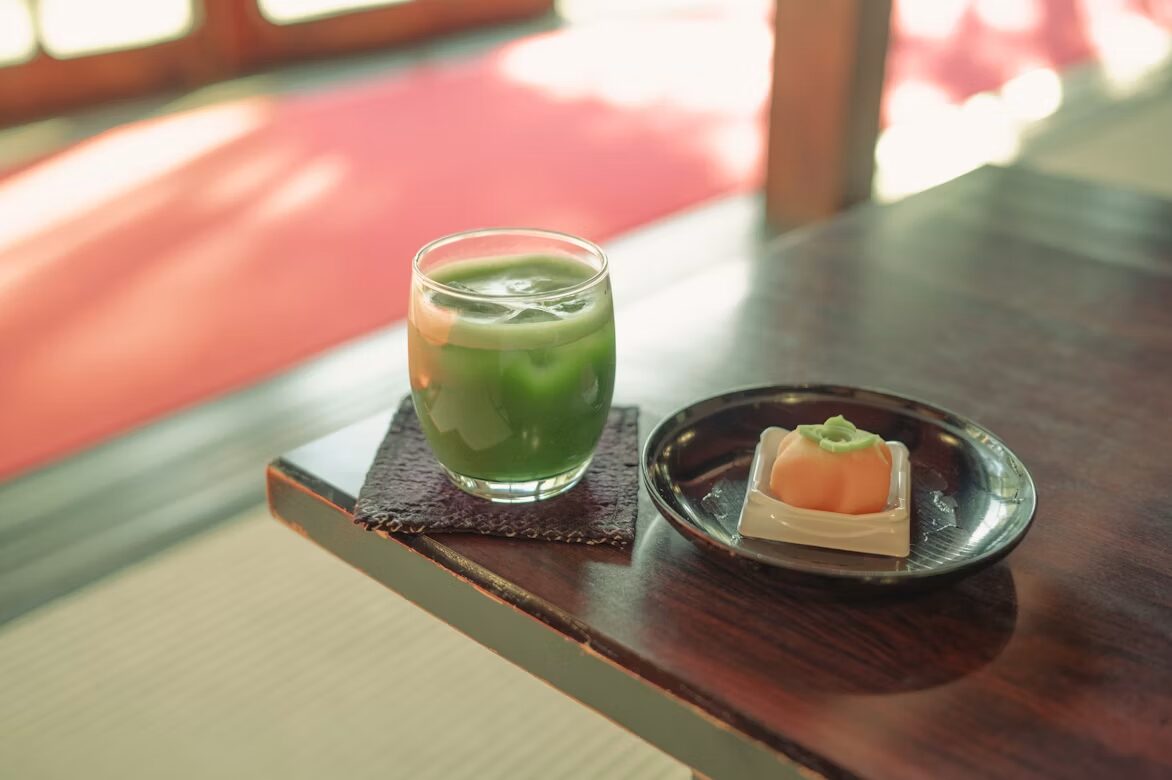
Not every ingredient that trends in the wellness industry earns its popularity. Some are fleeting – here for a year of Instagram posts before being quietly replaced by the next discovery. Matcha is different. It has been used in Japan for centuries, carries a genuine and well-documented nutritional profile, and has demonstrated staying power in the Western functional beverage market that most trends simply don’t achieve. For brands formulating with bulk matcha powder, the opportunity is significant.
What Makes Matcha Nutritionally Distinctive
Unlike regular green tea, where the leaves are steeped and discarded, matcha is made from whole ground tea leaves. This means you’re consuming the entire leaf, not just what diffuses into hot water. The result is a more concentrated source of catechins (particularly EGCG), L-theanine, and other beneficial compounds.
L-theanine is particularly interesting because it promotes a calm, focused alertness – often described as ‘clean energy’ – in a way that differs meaningfully from the jittery effect of caffeine alone. For functional beverage brands, this combination of natural caffeine and L-theanine is extremely appealing.
The Flavour Profile That Works Across Categories
Wellness tea brands have an issue. Their tea doesn’t always taste the same. This happens when they get tea from farms or switch suppliers. The tea can look, smell and even feel different. Customers notice these changes. It makes them doubt the brand.
Matcha has an earthy and umami flavour. It works well in things. You can put it in cold drinks, chocolate and desserts. It’s also good in powders, capsules and even in dishes. This means brands can create products around matcha. It’s an advantage, for branding and making products. Not many ingredients can do this.
Consumer Recognition and Trust
One of the practical advantages of formulating with matcha is that consumers already know what it is and often have positive associations with it. It has moved well beyond niche health circles into mainstream wellness culture. This means brands are not starting from zero when it comes to education. Instead, they are building on an established ingredient narrative that already carries credibility, familiarity, and perceived quality in the minds of many consumers.
Quality Tiers Matter
Not all matcha is the same. There are types like ceremonial grade matcha, premium grade matcha, and culinary grade matcha. These types differ a lot in terms of colour, aroma and nutritional content.
Choosing the type of matcha is very important. It depends on what you want to use the product for. If you want to have a high-end drinking experience, you need to choose a one type of matcha. If you want to make a blend, you need to choose another type.
Working with a bulk supplier of matcha is a good idea. They make sure the product is consistent and the grade is correct. The supplier also makes sure the matcha aligns with what the brand’s about in the market.
Summary
Matcha has firmly established itself as more than just a passing wellness trend. It has become a foundational ingredient in the functional beverage space, supported by centuries of traditional use and modern scientific interest. For brands, this creates a rare combination of credibility, versatility, and consumer demand that is difficult to replicate with newer or less established ingredients.
As the functional beverage category continues to evolve, matcha stands out not only for what it offers nutritionally, but also for how well it integrates into diverse product formats and brand stories. Its balance of tradition and modern functionality gives it a unique position in the market.
For companies aiming to build long term product lines rather than short lived trends, matcha remains one of the most reliable and strategically valuable ingredients available today.