

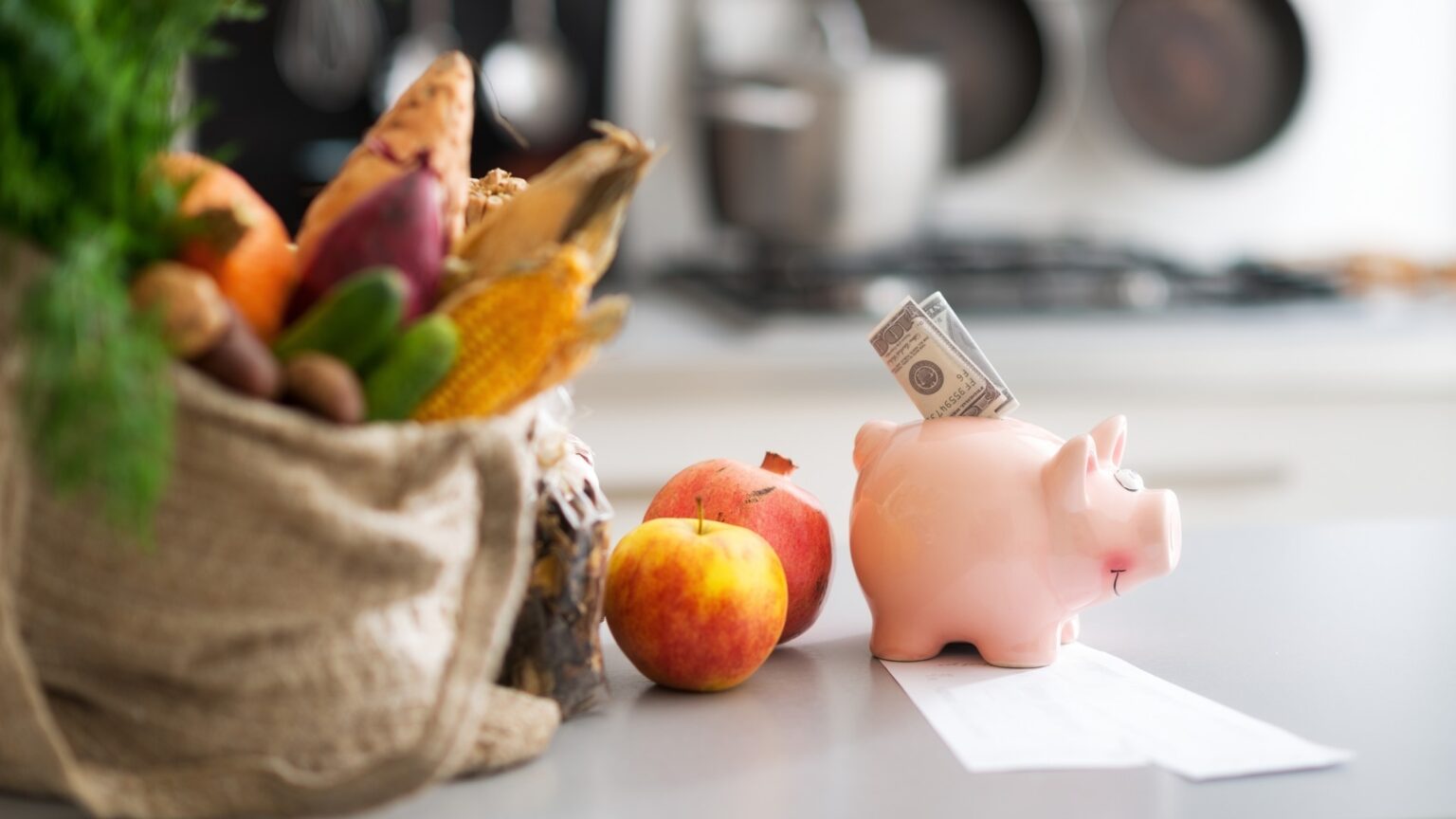
Eating healthy is often misunderstood as something expensive or only for people with high incomes. In reality, with the right planning and smart choices, anyone can maintain a nutritious diet without spending too much money. Healthy eating on a budget is not about restriction—it’s about making smarter decisions that improve your health while saving your money.
In this article, we will explore practical, realistic, and easy-to-follow strategies that help you eat well without breaking the bank.
Why Healthy Eating on a Budget Matters
Healthy eating is essential for energy, immunity, productivity, and long-term well-being. However, many people rely on fast food or processed meals because they believe healthy food is expensive.
The truth is:
- Poor eating habits often lead to higher medical costs later
- Processed foods may be cheaper upfront but harmful long-term
- Balanced nutrition improves focus, mood, and energy levels
Eating smart today helps you avoid health and financial problems tomorrow.
Smart Planning for Budget-Friendly Healthy Eating
Plan Your Weekly Meals
Meal planning is one of the most effective ways to save money.
- Decide your meals for the week in advance
- Create a shopping list based on your plan
- Avoid random or emotional buying in stores
This reduces waste and prevents unnecessary spending.
Cook at Home More Often
Home-cooked meals are significantly cheaper and healthier than restaurant food.
Benefits include:
- Control over ingredients
- Lower salt, sugar, and unhealthy fats
- Bigger portions at lower cost
Even simple dishes like rice, lentils, and vegetables can be both nutritious and affordable.
Stick to a Grocery Budget
Set a fixed weekly or monthly grocery budget and stick to it.
Tips:
- Track your spending
- Compare prices in different stores
- Buy only what is needed
Healthy Food Choices
Choose Seasonal Fruits and Vegetables
Seasonal produce is cheaper and fresher.
For example:
- In-season fruits cost less and taste better
- Local vegetables are more affordable than imported ones
Include Budget-Friendly Proteins
Protein is essential but doesn’t have to be expensive.
Affordable options include:
- Eggs
- Lentils (dal)
- Chickpeas
- Beans
- Peanut butter
These foods are rich in nutrients and cost-effective.
Buy in Bulk When Possible
Staple foods like rice, oats, flour, and lentils are cheaper when purchased in bulk.
Advantages:
- Lower price per unit
- Fewer shopping trips
- Long-term savings
Smart Shopping Strategies
Avoid Processed and Packaged Foods
Processed foods may seem cheap but are unhealthy and often less filling.
Instead of:
- Instant noodles
- Sugary snacks
- Soft drinks
Choose:
- Fresh fruits
- Homemade snacks
- Water or natural drinks
Shop with a List Only
Always go shopping with a prepared list.
This helps you:
- Avoid impulse buying
- Stay within budget
- Focus on essentials only
Compare Prices and Brands
Not all expensive brands are better.
- Compare unit prices (per kg or per liter)
- Try local or generic brands
- Look for discounts and deals
Cooking Tips to Save Money and Eat Healthy
Cook in Bulk and Store
Prepare meals in larger quantities and store them for later.
Benefits:
- Saves time and energy
- Reduces daily cooking costs
- Prevents food waste
Use Simple Recipes
Healthy eating doesn’t require complex meals.
Examples:
- Vegetable rice
- Lentil soup
- Boiled eggs with salad
Simple food is often the healthiest and cheapest.
Reduce Food Waste
Food waste is wasted money.
Tips:
- Store food properly
- Use leftovers creatively
- Freeze extra portions
Healthy Habits That Save Money
Drink More Water
Water is free and essential for health.
It helps:
- Improve digestion
- Control hunger
- Boost energy
Avoid sugary drinks that increase expenses and health risks.
Eat Balanced Meals
A balanced meal includes:
- Carbohydrates (rice, bread)
- Protein (eggs, lentils)
- Vegetables (fiber and vitamins)
- Healthy fats (nuts, seeds)
Balanced meals keep you full longer, reducing unnecessary snacking.
Avoid Eating Out Frequently
Restaurant meals are often:
- Expensive
- High in calories
- Less nutritious
Limit eating out to special occasions only.
Common Mistakes to Avoid
- Shopping without a plan
- Ignoring seasonal foods
- Overbuying perishable items
- Choosing fast food for convenience
- Not tracking food expenses
Avoiding these mistakes can significantly reduce your monthly food cost.
Benefits of Eating Healthy on a Budget
- Improved physical health
- Better mental clarity
- Financial savings
- Reduced medical expenses
- More energy and productivity
Healthy eating is an investment, not an expense.
Conclusion
Healthy eating on a budget is completely achievable with proper planning, smart shopping, and simple cooking habits. You don’t need expensive superfoods or luxury diets to stay healthy. Instead, focus on whole foods, seasonal produce, home cooking, and mindful spending.
By making small but consistent changes, you can improve your health while saving a significant amount of money. Remember, the goal is not perfection—it’s progress toward a healthier and more financially stable lifestyle.
FAQs
1. Is it really possible to eat healthy on a low budget?
Yes, with proper planning, home cooking, and smart shopping, healthy eating can be very affordable.
2. What are the cheapest healthy foods?
Eggs, lentils, rice, oats, seasonal vegetables, and beans are some of the most budget-friendly healthy foods.
3. How can I reduce my grocery bill?
Make a shopping list, avoid processed foods, buy in bulk, and choose seasonal produce.
4. Is fast food cheaper than home-cooked meals?
Initially it may seem cheaper, but in the long run, home-cooked meals are healthier and more cost-effective.
5. How can I start eating healthy on a budget today?
Start by planning meals, cooking at home, and replacing processed snacks with fruits or simple homemade options.